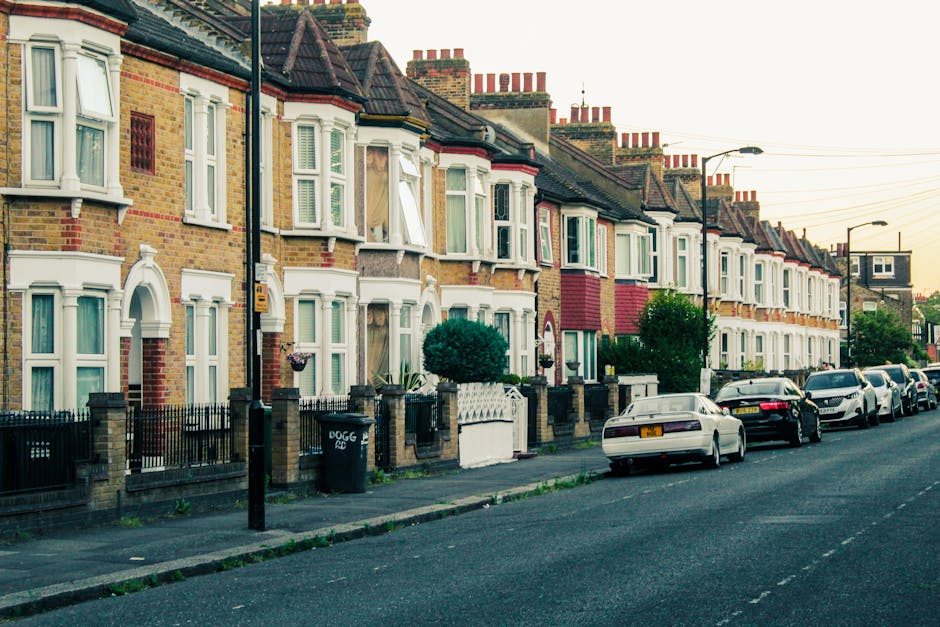
Merton Council Permits for Removals: Streets and Suspensions
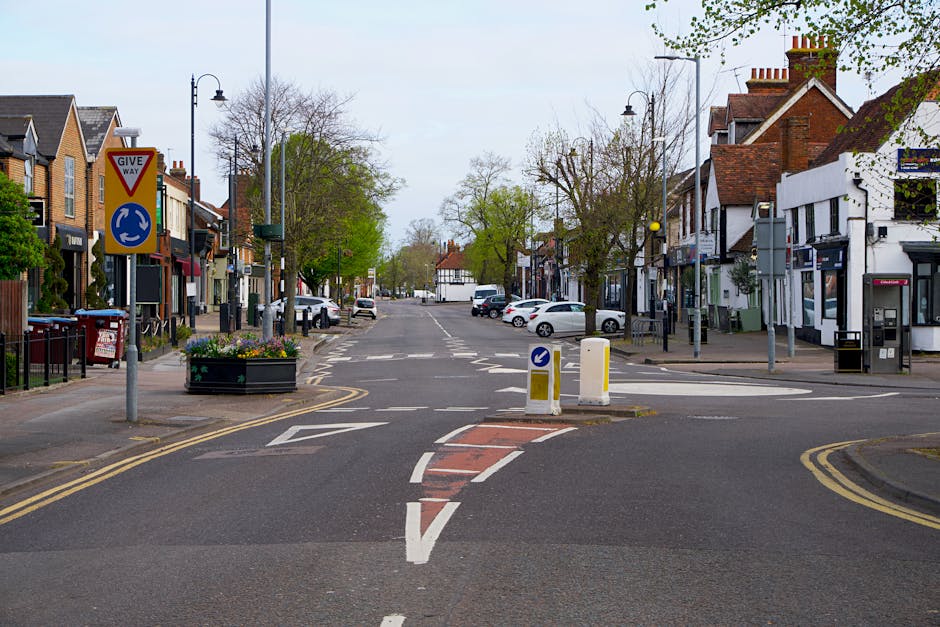
If you are moving house, flat, or office in Merton, the parking question can be the bit that quietly makes or breaks the day. A van that cannot stop close enough to the front door turns a simple job into a long-haul carry, and nobody wants to be wheeling wardrobes down the road at 8 a.m. in the rain. That is where Merton Council Permits for Removals: Streets and Suspensions comes in.
This guide explains what those permits and suspensions are, why they matter, how they fit into a removal plan, and what to watch out for if you are moving around busy streets, permit bays, yellow lines, or controlled parking zones. It is written for real life, not theory. Because let's face it: on moving day, the difference between smooth and stressful can be a few metres of kerb space.
Along the way, you will also see how to plan the move around other practical details like removal services, vehicle size, packing, and timing. If you want the move to feel more organised and less like a scramble, you are in the right place.
- Why Merton Council permits and suspensions matter
- How the process usually works
- Key benefits and practical advantages
- Who needs this and when it makes sense
- Step-by-step guidance
- Expert tips for better results
- Common mistakes to avoid
- Tools, resources and recommendations
- Law, compliance, standards and best practice
- Options and comparison
- Case study or real-world example
- Practical checklist
- Conclusion
- Frequently asked questions
Why Merton Council Permits for Removals: Streets and Suspensions Matters
Street access sounds like a tiny detail until the move starts. Then it becomes everything. In Merton, as in many London boroughs, parking controls, permit bays, loading restrictions, yellow lines, time limits, and local suspensions can all affect where a removal van can stop and how long it can stay there.
For removals, access is not just about convenience. It affects:
- how far your belongings need to be carried
- whether movers can load safely and efficiently
- how likely it is that traffic or enforcement disrupts the move
- whether you risk fines, towing, or complaints from neighbours
- how much time and labour the job actually takes
A street suspension is usually used when part of the road or parking area needs to be reserved for a specific purpose. For removals, that can mean keeping a bay clear so a van can park legally and close to the property. A permit, on the other hand, may allow parking in a controlled area, but it does not automatically guarantee the most convenient spot. They solve different problems, and sometimes you need both the permit and the suspension depending on the street layout.
There is another reason this matters: London streets are busy and unpredictable. A delivery vehicle, scaffolding, a neighbour's builder, or a bin collection can all change the picture in minutes. If you plan access properly, you reduce the chances of last-minute chaos. That calm feeling when the van pulls up exactly where it should? Worth a lot.
Expert summary: For removals in Merton, the best access plan is usually the one that protects loading space, supports legal parking, and keeps the walk from van to front door as short as possible. Simple, but powerful.
How Merton Council Permits for Removals: Streets and Suspensions Works
The exact process can vary depending on the street, the type of restriction, and how busy the location is, but the practical logic is consistent. You identify where the vehicle needs to stop, check what parking controls apply, and then decide whether a permit, a suspension, or another arrangement is needed.
In plain English, here is the basic flow:
- Check the move address and the street layout. Is there a driveway, permit bay, single yellow line, double yellow line, or loading area nearby?
- Work out the vehicle size. A small man and van setup may fit where a larger moving truck will struggle.
- Decide if a parking permit is enough. Some streets allow short-term loading within certain rules; others do not.
- Consider whether a suspension is needed. If you need to reserve a bay or keep a section of street clear, a suspension may be the right route.
- Allow time for processing. These arrangements are rarely something to leave to the night before. That is the kind of mistake that tends to bite later.
- Coordinate the move schedule. Your removal team, building access, keys, lift bookings, and parking plan should all match up.
The core aim is to keep the vehicle close enough to the property to make loading safe and efficient. On a quiet side street that may be straightforward. On a tight residential road with parked cars on both sides, it can be a different story. A lot depends on the specific street, not just the postcode.
If you are arranging a bigger move, it can also help to plan alongside home moves or office removals so the access plan matches the service you are actually using. A compact flat move and a full office relocation are not the same animal. Not even close.
Key Benefits and Practical Advantages
People often think parking paperwork is an annoyance. Fair enough. But done properly, it gives you some real advantages that go beyond just "being allowed to park there".
- Shorter carrying distances. That reduces time, fatigue, and the risk of damage.
- Cleaner loading process. Items move in a more direct line from home to van.
- Better timing control. Less wandering around searching for legal parking usually means the day stays on track.
- Fewer disputes. A clear access plan helps avoid awkward chats with neighbours or building managers.
- Lower disruption. Both for you and for everyone else on the street.
- Improved safety. Fewer obstacles and shorter manual carries tend to mean fewer slips, drops, and strained backs.
There is also a psychological benefit, and it matters more than people admit. When you know the van has a proper place to stop, the move feels less random. That steady, controlled feeling can keep the whole day from tipping into panic mode around lunchtime.
If you are comparing moving options, access planning becomes even more useful with services such as removals, flat removals, or student removals, where narrow streets and shared buildings are common. In those situations, a small bit of parking planning can save a lot of dragging boxes up and down stairwells.
Who This Is For and When It Makes Sense
This topic is relevant to a lot more people than you might think. It is not just for large household moves or commercial relocations. If a vehicle needs to stop close to a property in an area with parking controls, you should at least think about permits and suspensions.
It tends to matter most for:
- homeowners moving out of or into a terraced street
- flat residents with no driveway or shared parking
- tenants in controlled parking zones
- office managers arranging weekday business moves
- students moving in at busy times of year
- people booking a same-day job with very little time to spare
- anyone moving bulky furniture, pianos, or fragile items that should not be carried far
A move into a top-floor flat, for example, is already demanding. Add in a long walk from the nearest legal parking space and the job becomes very different. A small vehicle may still help, but if the building is on a street where stopping is awkward, the permit side of the plan deserves attention.
For particularly heavy or awkward items, such as a piano or large sofa, the access point matters even more. That is why people often pair parking planning with specialist services like piano removals or furniture removals. The item is one thing. Getting it safely to the vehicle is another thing entirely.
Step-by-Step Guidance
Here is a practical, no-nonsense way to approach the process. Not glamorous, but it works.
1. Confirm the exact moving address and street conditions
Check whether the property is on a controlled street, a red route, a permit bay road, or a narrow residential lane. Even if the postcode is familiar, the actual parking rules can vary from one side street to another. A quick assumptions-based approach is a classic way to end up frustrated.
2. Measure the practical access
Look at the distance from the likely stopping point to the front door, lift, or loading point. If you can, stand outside and imagine carrying a mattress, a box of books, or a washing machine through that route. The mental picture usually tells you enough.
3. Decide whether your vehicle needs reserved space
If the van can fit into a legal loading area without blocking traffic, you may only need a standard parking arrangement. If the street is tight or heavily used, a suspension can sometimes be the cleaner solution because it reserves the space in advance.
4. Book the removal service with parking in mind
When asking for a quote, make the access situation clear. Mention stairs, lift availability, long carries, loading restrictions, and any parking concerns. If you are comparing prices on pricing and quotes, be honest about the access. The quote is only useful if it reflects the real job.
5. Line up the timing
Moves are easier when the parking window matches the key collection time, building access, and the arrival of the crew. If keys are not ready, the van can end up waiting. If the parking arrangement starts too late, you may lose the best space just as loading begins. Timelines matter more than people think.
6. Keep your documents and confirmations close
Save any permission confirmations, booking references, building instructions, and contact names in one place. A phone screenshot is often enough, but whatever method you use, keep it simple. You do not want to be hunting through email while someone is carrying a wardrobe downstairs.
7. Build in a small buffer
Traffic, weather, and neighbours' parking habits can all throw off the smoothest plan. A buffer of even 15 to 30 minutes can save the mood of the whole move. Sounds small. It is not.
If you prefer to work with a team that can handle the physical side as well as the logistics, removal services and removal companies can be a sensible place to start. If you only need a lighter vehicle, a removal van or man with van option may suit better. It really depends on the property and the load.
Expert Tips for Better Results
After enough moving days, you start to see the same patterns. The successful ones are rarely the flashiest. They are the ones where the little things were handled early.
- Check access before the quote is final. A quick photo of the street can reveal more than a long phone explanation.
- Choose the right vehicle size. Smaller is not always better, but bigger is not always smarter either.
- Think about neighbours. If the road is already busy, a courteous approach goes a long way.
- Use packing discipline. Well-packed boxes reduce loading time. See also packing and boxes if you want the job to feel less chaotic.
- Label heavy or fragile items clearly. That matters more when the loading point is tight and every lift counts.
- Keep access routes clear indoors. Hallways, doorways, and stairs are part of the access plan too.
- Ask about storage if needed. If completion dates or keys are uncertain, temporary storage can take pressure off the day. Storage is often the quiet hero of a messy move.
One small but useful tip: if you are moving from a property with tricky street parking, have someone available to keep watch outside while the van is being positioned. It sounds obvious, but in the real world it saves time and awkward reverse manoeuvres. Also saves a few nerves, which is no bad thing.
Common Mistakes to Avoid
Most move-day parking headaches come from a handful of avoidable mistakes. Here are the big ones.
- Leaving it too late. Permits and suspensions can require lead time.
- Assuming normal parking rules will be fine. They often are not, especially in busier parts of London.
- Forgetting to check the actual street, not just the postcode. Two nearby streets can have completely different restrictions.
- Underestimating how long loading will take. A bigger house, more stairs, or fragile items can slow everything down.
- Booking the wrong vehicle. A too-large lorry may be hard to place legally; a too-small van may mean more trips.
- Not telling the movers about access problems. They can plan around problems, but only if they know about them.
- Ignoring building rules. Some blocks have their own loading restrictions, concierge times, or lift booking requirements.
The sneaky one is the "it'll be fine" mindset. We all do it sometimes. But street parking rarely rewards optimism on its own. Better to plan for the awkward bits and be pleasantly surprised than the other way around.
Tools, Resources and Recommendations
You do not need a huge toolkit to manage removals parking well. You need a few practical habits and the right questions.
- Street photos or a quick site visit: useful for seeing signs, bay markings, and loading points.
- Floor plan or room list: helpful for matching vehicle size and number of helpers.
- Move-day checklist: keeps parking, keys, packing, and building access in one place.
- Phone notes: ideal for recording any access instructions from landlords, agents, or building managers.
- Protective packing materials: less chance of damage, quicker loading, fewer awkward pauses in the doorway.
If you are still at the planning stage, it can also help to review the service pages that match your move type. For example, house removals are usually planned differently from commercial moves. A small one-bedroom flat and a full office contents move are not the same puzzle, and they should not be treated like they are.
For customers who want help with the packing side as well, packing and unpacking services can take a lot of pressure off the day. It is one of those things that feels unnecessary until you are surrounded by tape, cardboard, and a kettle you still have not packed. Then it suddenly feels very necessary.
Law, Compliance, Standards, or Best Practice
Parking permissions for removals sit inside a wider framework of local parking controls, road safety, and traffic management. Exact rules can vary by street, by borough, and sometimes by the type of bay or restriction involved. Because of that, it is wise to treat each move as a local compliance exercise rather than a one-size-fits-all job.
Good practice usually includes:
- checking the street restrictions in advance
- making sure the vehicle is parked legally or properly authorised
- keeping emergency access and pedestrian access in mind
- avoiding unnecessary obstruction of traffic or driveways
- following any building or estate rules as well as street-level rules
- keeping all move-related paperwork or confirmations available on the day
There is also a broader safety dimension. Loading and unloading are physical tasks, and safe access matters just as much as legal access. A shorter carry can reduce the chance of strain, trips, and dropped items. If you want a look at how a provider approaches this side of the job, the health and safety policy and insurance and safety pages are useful reading. You can also browse the company background on about us if you want a sense of how the team works.
For cashless payments and booking confidence, it helps to review payment and security and the terms and conditions before confirming anything. Not the most exciting part of moving, admittedly, but it is the stuff that keeps expectations clear.
Options, Methods, or Comparison Table
There are a few ways to manage removal-day access in Merton. The right option depends on the street, the size of the vehicle, and how much loading time you need.
| Option | Best for | Strengths | Limitations |
|---|---|---|---|
| Standard legal parking | Quiet streets with available space | Simple, low admin, often enough for small jobs | Not reliable in tight or busy streets |
| Parking permit | Controlled parking areas where a vehicle needs authorisation | Helps make parking lawful and predictable | May not reserve the exact space you want |
| Street suspension | Moves needing a reserved bay or clear loading area | Creates dedicated space and reduces competition | Usually needs planning and may be more involved |
| Smaller vehicle | Narrow streets, low kerb space, short jobs | Easier to position, less disruption | May require more trips or less capacity |
As a rule of thumb, smaller properties and lighter loads may work well with a compact van. Larger homes, offices, or bulky furniture often need a more structured approach. If you are unsure, a conversation about removal truck hire versus a smaller van setup can save time later.
Case Study or Real-World Example
Picture a mid-sized flat move on a residential street in Merton. The building has a narrow entrance, no driveway, and the nearest parking is a few doors down. The occupier has a sofa, several large boxes, a bed frame, and a washing machine. Nothing outrageous, but enough to make walking distance matter.
In the first version of the plan, the movers simply assumed they would find space nearby. On the day, the road was busier than expected, and a neighbour's van had taken the easiest bay. The loading took longer, the team had to make an extra trip, and everyone felt the squeeze. Nothing disastrous, but it was one of those days where you could feel time leaking away.
In the better version, the access was reviewed in advance. A reserved space was arranged where needed, the move time was aligned with building access, and the team knew exactly where to stop. The difference was not dramatic from the street, but it was dramatic inside the job. Less carrying. Less waiting. Less frustration. The move finished with people still able to smile at the end, which says a lot.
That is the real value of planning for permits and suspensions. It does not just protect parking. It protects the pace of the move.
Practical Checklist
Use this quick checklist before move day. It is simple, but it catches a lot of problems early.
- Confirm the full moving address and access details
- Check whether the street has parking controls or loading restrictions
- Decide if a permit, suspension, or both may be needed
- Match the vehicle size to the street and the load
- Tell the removal team about stairs, lifts, and long carries
- Book packing support if the move is larger or time-sensitive
- Keep key collection times and parking times aligned
- Save confirmations, notes, and contact numbers in one place
- Review insurance, safety, and terms before the move
- Build in a time buffer for traffic and loading delays
- Make sure fragile or heavy items are labelled clearly
- Consider storage if dates are uncertain or the new place is not ready
Quick reminder: if you are moving out of a busy street in Merton, the best access plan is usually the one that reduces walking distance and uncertainty at the same time. Those two things matter more than most people realise.
Conclusion
Merton Council permits for removals, streets, and suspensions are really about one thing: giving your move the best possible chance of running smoothly. If the vehicle can stop close to the property, the whole day becomes easier. If it cannot, the move gets slower, heavier, and more stressful than it needs to be.
The good news is that this is manageable. Check the street, plan the access, match the vehicle to the location, and leave enough time for the parking arrangement to be sorted properly. That alone puts you ahead of a lot of rushed moves.
If you are in the middle of planning and want to reduce the pressure on move day, start with the access question first. Everything else tends to fall into place more cleanly after that.
Get a free quote today and see how much you can save.
And if you are still staring at the front street wondering how it will all fit, that is okay. Most good moves start with a bit of careful thinking and end with a relieved exhale when the last box is safely inside.
Frequently Asked Questions
Do I need a permit for removals in Merton?
Not always. It depends on the street, the type of parking restriction, and whether the removal vehicle can stop legally without causing an issue. In some cases, a standard parking arrangement is enough; in others, a permit or suspension makes the move much easier.
What is the difference between a parking permit and a street suspension?
A permit usually gives the vehicle permission to park in a controlled area under certain conditions. A suspension is used to reserve or temporarily remove a bay or section of street from normal use. For removals, suspensions can be useful when you need a specific space kept clear.
How far in advance should I arrange parking permission?
As early as possible. These things are best handled well before move day, especially if the street is busy or the access is tricky. Leaving it to the last minute is risky, even if the rest of the move is perfectly organised.
Can a removal van stop on yellow lines?
Sometimes short loading may be possible depending on the street rules and the exact circumstances, but you should never assume it will be fine. Local restrictions and enforcement can vary, so it is safer to check the actual location rather than guess.
What if my street is too narrow for a large van?
Then vehicle choice becomes part of the access plan. A smaller van may be more practical, or the loading point may need to be reserved so the vehicle can stop safely. In some cases, the move may also benefit from more labour or a different schedule.
Do flats and apartments need different planning?
Often, yes. Flats can involve extra stairs, lifts, shared entrances, concierge rules, and tighter access windows. Parking and building access should be planned together rather than separately, otherwise the move can stall at the worst moment.
Will a permit or suspension guarantee that loading is quick?
No, but it removes one of the biggest sources of delay. The rest still depends on packing, access inside the property, the size of the load, and how efficiently the items are ready to move.
Is it worth arranging a suspension for a small move?
Sometimes yes, sometimes no. If the street is quiet and space is easy to find, it may be unnecessary. If the road is busy or parking is unreliable, even a small move can benefit from a reserved space. The decision should be based on access, not just the number of boxes.
What details should I tell the removal company?
Give them the full address, street conditions, parking restrictions, whether there are stairs or lifts, the size of the items, and any time limits on access. The more honest and specific you are, the better the plan will be.
Can I combine parking planning with packing and storage?
Absolutely. In fact, that is often the smartest way to do it. If you are using packing and boxes support or storage, the team can usually plan a smoother loading sequence and reduce delays on the day.
What happens if parking arrangements are wrong on the day?
The move can slow down quickly. You may face longer carrying distances, extra waiting time, or the need to reposition the vehicle. In some cases, that can affect the whole schedule. It is one of those problems that feels small at first and then suddenly eats the morning.
How do I know whether I need a van or a larger truck?
It depends on the volume of items, the street access, and how many trips you are willing to make. A man and van or removal van can work well for lighter moves. A larger job may call for removal truck hire or a more complete service.
What should I do if my move date changes after I have planned parking?
Update the parking arrangement straight away if a permit or suspension was being arranged. Timing changes are common with moving, especially around completion dates, but the earlier you adjust the booking, the smoother the change will be.